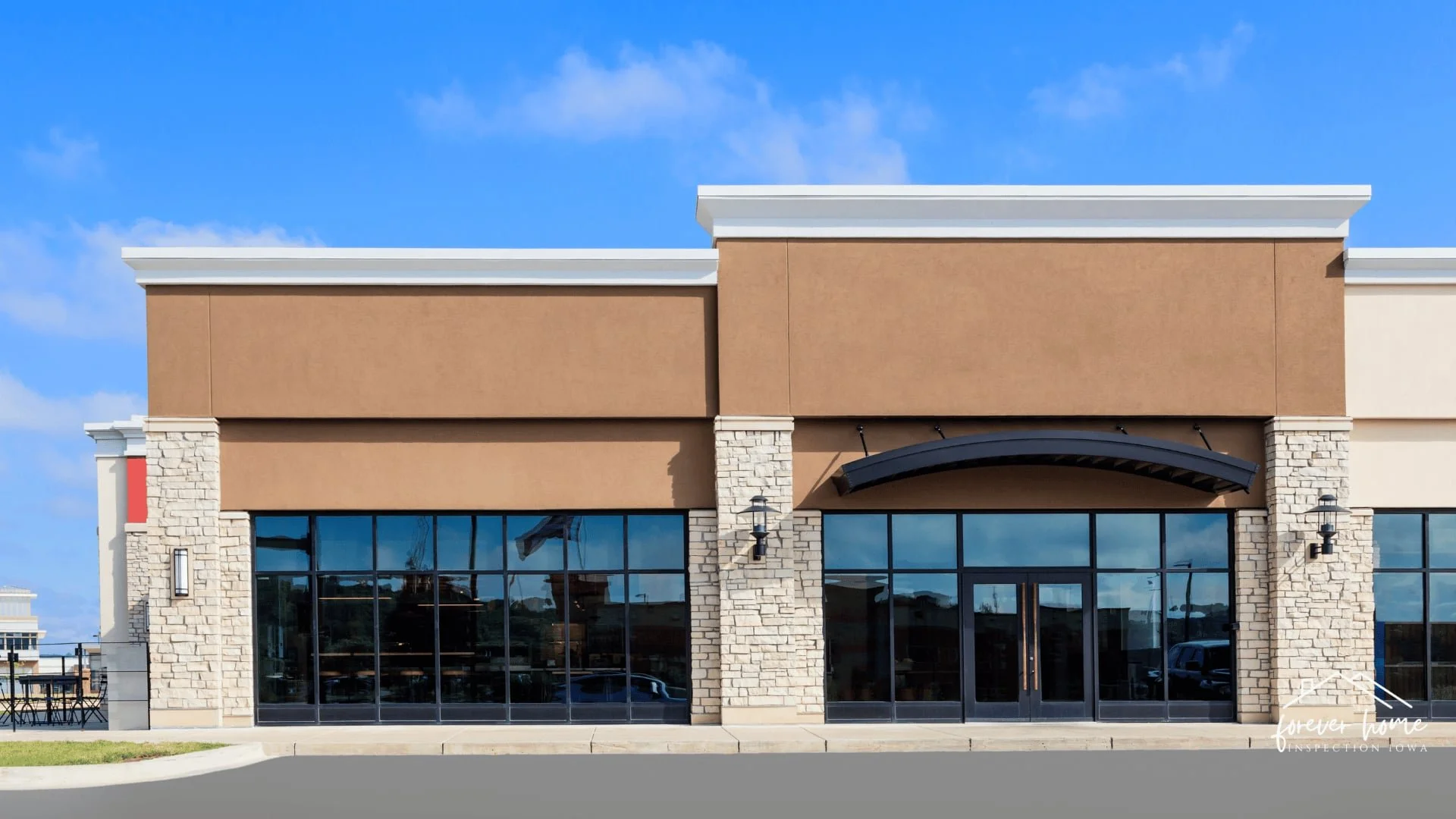
TrueLine Commercial Inspections provides certified commercial property inspection services across Des Moines and Central Iowa, covering office, retail, industrial, and mixed-use buildings. Here is what property owners, investors, and tenants need to know before scheduling an inspection.
Key Takeaways
TrueLine Commercial Inspections serves the Des Moines metro and surrounding communities in Iowa, delivering inspection reports for commercial buildings of all sizes and types.
A commercial property inspector Iowa covers structure, roof, electrical, plumbing, HVAC, life-safety systems, and site conditions, following standards such as ASTM E2018 for Property Condition Assessments and the CCPIA's ComSOP.
Professional commercial inspections help buyers, tenants, and lenders identify costly defects, negotiate repairs or lease terms, and plan capital improvements before closing.
Iowa does not mandate state licensing for commercial property inspectors, making it essential to hire inspectors with industry-recognized credentials from organizations like CCPIA or InterNACHI.
Contact TrueLine Commercial Inspections to request a customized quote and schedule based on your property and due diligence deadline.
Commercial Property Inspections Iowa: Why They Matter Now
Des Moines permit valuations for commercial and mixed-use construction exceeded $1 billion in the fiscal year ending June 2025. Downtown commercial property values rose 11% in 2023 alone. That transaction volume in central Iowa and surrounding areas means more investors need to evaluate a property's condition before committing dollars.
A commercial property inspection differs from a home inspection in scope and focus. Commercial property inspectors evaluate the physical condition and safety compliance of non-residential buildings, examining long-term operating costs, system capacities, and suitability for the intended business operations. A commercial building inspection helps identify physical defects and regulation compliance issues across office parks, retail plazas, warehouses, restaurants, and medical offices throughout central Iowa, including issues that can lead to safety risks or system failures if missed.
Commercial inspections uncover potential structural weaknesses and identify structural and safety problems before they escalate into liabilities. Early problem identification can help avoid costly repairs in the future. Iowa's 2025 Home Inspector Accountability Act (SF 460) regulates residential practice; commercial inspection services fall outside that law, which makes hiring knowledgeable, credentialed inspectors even more important for trust and accountability.
What a Commercial Building Inspection in Iowa Typically Includes
TrueLine Commercial Inspections tailors each inspection scope to the building type and client objectives. A thorough inspection covers structural integrity, mechanical systems, and safety compliance. The inspection process involves defining the scope, conducting physical assessments, and delivering detailed reports. Inspections cover critical systems like HVAC, plumbing, and electrical, plus radon testing where applicable.
Site and exterior: Parking lot surfaces, grading, drainage, sidewalks, facade materials, windows, and doors. Iowa freeze-thaw cycles stress masonry and concrete, so inspectors assess mortar joints and surface cracking.
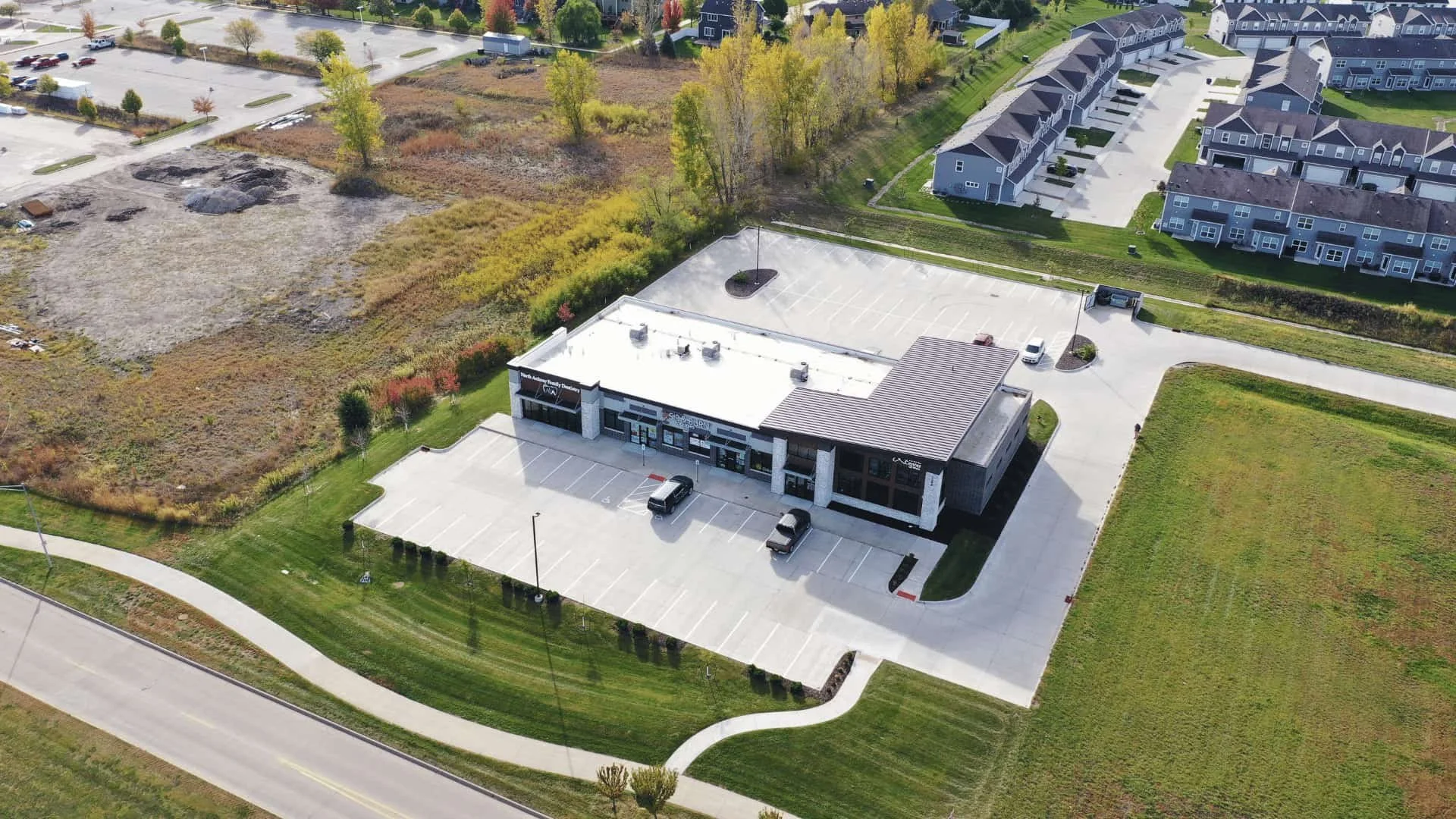
Roofing: Roof inspection of flat membranes (TPO, EPDM, modified bitumen) common on Des Moines strip centers and industrial buildings. Inspectors look for open seams, ponding water, flashing failures, and drainage issues.
Electrical: Panel capacity, phase type, visible wiring condition, overcurrent protection, GFCI testing, and panel labeling.
Plumbing: Supply and drain piping, water heater age, backflow prevention, visible leaks, and fixture condition.
HVAC: Rooftop units, furnaces, boilers, ductwork; age, maintenance history when available, and visible defects.
Life-safety and accessibility: Fire alarms (where visible), emergency exits, exit lighting, and obvious ADA barriers in entrances, restrooms, and parking. This is a limited, observational review.
Inspections guarantee compliance with safety and regulatory standards through observation, not formal regulation enforcement. Specialized evaluations may be needed for complex issues; TrueLine's certified commercial property inspectors will recommend structural engineers, roof specialists, or fire-protection contractors where warranted.
TrueLine Commercial Inspections: Commercial Property Inspectors Serving Central Iowa
TrueLine Commercial Inspections is based in Ankeny, IA, and performs commercial building inspections across Des Moines, West Des Moines, Urbandale, Clive, Waukee, Ankeny, Altoona, Grimes, Indianola, Ames, and other central Iowa communities. Projects elsewhere in Iowa can be scheduled on request.
Clients include local investors purchasing small retail centers, regional companies leasing warehouse space, lenders underwriting commercial loans, and property managers planning capital improvements. TrueLine's inspectors must understand local building regulations and environmental risks specific to Iowa, from freeze-thaw damage to soil conditions. The company focuses on inspection and reporting; it does not perform repairs on identified defects.
What a Commercial Building Inspection in Iowa Typically Includes
TrueLine Commercial Inspections tailors each inspection scope to the building type and client objectives. A thorough inspection covers structural integrity, mechanical systems, and safety compliance. The inspection process involves defining the scope, conducting physical assessments, and delivering detailed reports. Inspections cover critical systems like HVAC, plumbing, and electrical, plus radon testing where applicable.
Site and exterior: Parking lot surfaces, grading, drainage, sidewalks, facade materials, windows, and doors. Iowa freeze-thaw cycles stress masonry and concrete, so inspectors assess mortar joints and surface cracking.
Roofing: Roof inspection of flat membranes (TPO, EPDM, modified bitumen) common on Des Moines strip centers and industrial buildings. Inspectors look for open seams, ponding water, flashing failures, and drainage issues.
Electrical: Panel capacity, phase type, visible wiring condition, overcurrent protection, GFCI testing, and panel labeling.
Plumbing: Supply and drain piping, water heater age, backflow prevention, visible leaks, and fixture condition.
HVAC: Rooftop units, furnaces, boilers, ductwork; age, maintenance history when available, and visible defects.
Life-safety and accessibility: Fire alarms (where visible), emergency exits, exit lighting, and obvious ADA barriers in entrances, restrooms, and parking. This is a limited, observational review.
Inspections guarantee compliance with safety and regulatory standards through observation, not formal regulation enforcement. Specialized evaluations may be needed for complex issues; TrueLine's certified commercial property inspectors will recommend structural engineers, roof specialists, or fire-protection contractors where warranted.
TrueLine Commercial Inspections: Commercial Property Inspectors Serving Central Iowa
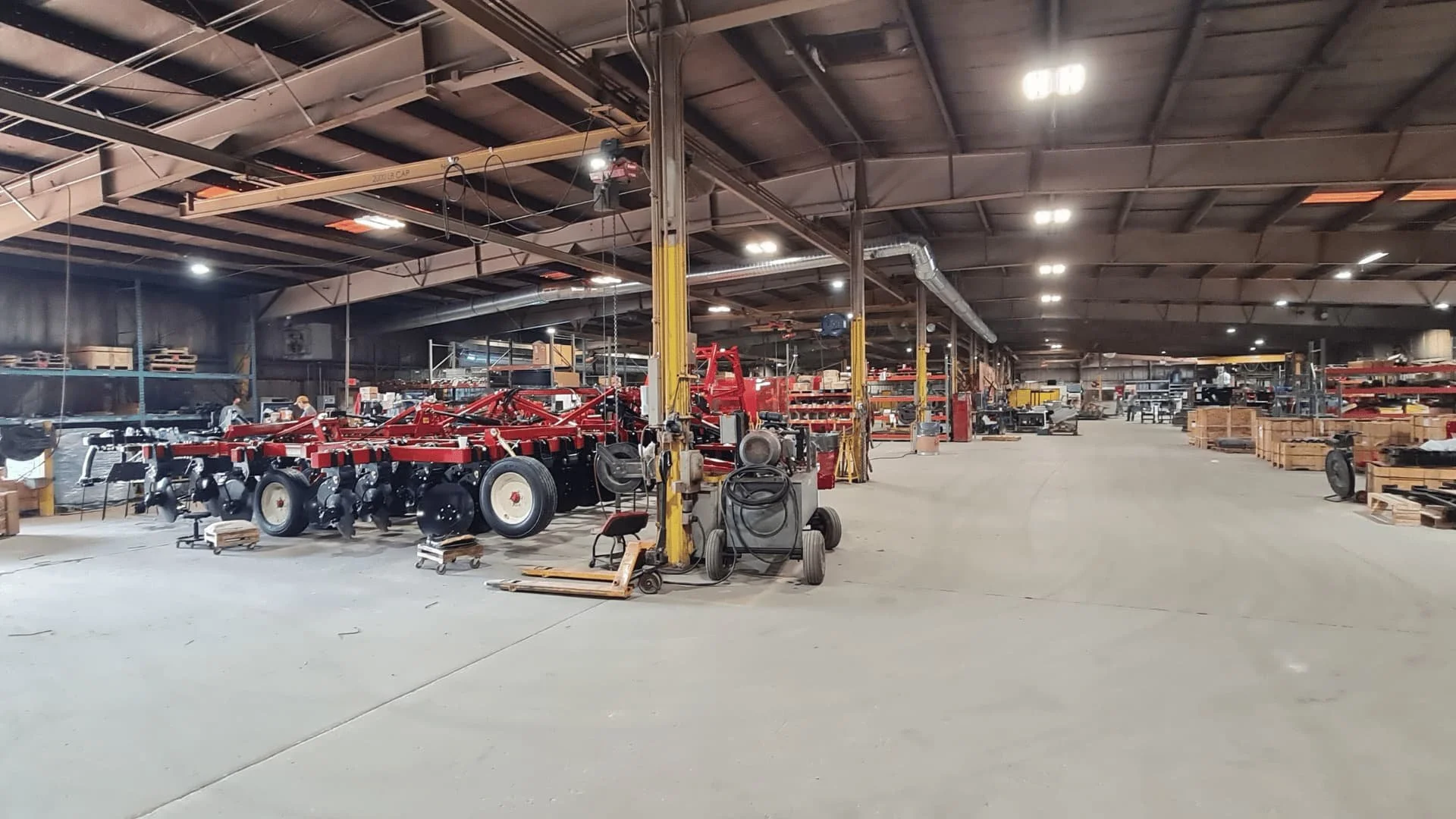
TrueLine Commercial Inspections is based in Ankeny, IA, and performs commercial building inspections across Des Moines, West Des Moines, Urbandale, Clive, Waukee, Ankeny, Altoona, Grimes, Indianola, Ames, and other central Iowa communities. Projects elsewhere in Iowa can be scheduled on request.
Clients include local investors purchasing small retail centers, regional companies leasing warehouse space, lenders underwriting commercial loans, and property managers planning capital improvements. TrueLine's inspectors must understand local building regulations and environmental risks specific to Iowa, from freeze-thaw damage to soil conditions. The company focuses on inspection and reporting; it does not perform repairs on identified defects.
Tools, Technology, and Reporting for Commercial Inspections
TrueLine uses thermal imaging cameras to detect hidden moisture and heat anomalies in electrical panels or roofing membranes, moisture meters to verify suspected leaks, outlet and GFCI testers, and drones for steep or inaccessible roof areas. Inspectors use non-invasive methods and tools during their evaluations to assess building conditions without damaging finishes or components.
Detailed inspection reports are delivered within 24-48 hours for most properties. A complete report includes photographs, defect descriptions, and repair cost estimates. Detailed reports provide actionable insights for informed decisions about a property, whether the client needs to budget for a roof replacement, HVAC upgrades, or regulation-related improvements. Reports clearly communicate any limitations, such as inaccessible roofs, locked rooms, or snow-covered surfaces during Iowa winters.
Planning Your Commercial Inspection in Des Moines and Across Iowa
Schedule your inspection early in the due diligence period. Competitive Des Moines and central Iowa markets leave little room for delays between a letter of intent and closing.
Duration: Inspections typically take between 4 to 7 hours for small to mid-size buildings. Large warehouses or multi-building campuses may require multiple days.
Pricing factors: Building size in square feet, number of tenant spaces, age and complexity of systems, travel distance, and requested specialty services like sewer camera scopes or radon testing all affect cost. A small retail shell under 5,000 sq ft runs $1,500-$2,500; a 25,000-75,000 sq ft warehouse or office runs $4,000-$8,000.
Preparation: Gather prior inspection reports, maintenance logs, roof warranties, renovation permits, and known problem history. Coordinate access with property managers and tenants so the inspector can complete work in a single trip.
Contact TrueLine Commercial Inspections with your property details and due diligence deadline to receive a quote that fits your scope, timeline, and budget.
Frequently Asked Questions About Commercial Property Inspections in Iowa
How is a commercial property inspection different from a home inspection?
Commercial properties have more complex mechanical and structural systems compared to residential homes. Commercial buildings often contain flat roofs, three-phase electrical systems, loading docks, and fire-protection components not found in typical Iowa homes. TrueLine follows commercial-specific standards and adjusts scope based on property type, lease structure, and client objectives. Commercial inspections often follow standards such as ASTM E2018 for Property Condition Assessments rather than residential protocols.
Do I need a commercial inspection if I am only leasing space in Des Moines?
Tenants signing multi-year leases for office, retail, or industrial space benefit from understanding the property's condition before signing. An inspection report can help negotiate tenant improvements, repair responsibilities, or rent concessions. TrueLine can focus on the specific suite plus shared systems like common restrooms or shared HVAC units that affect occupants and business operations.
What information should I provide before the inspection?
Share the building address, approximate square footage, number of stories and tenant spaces, year built, and major renovation dates. Provide any available drawings, prior inspection reports, maintenance records, or known issues. Access arrangements should be coordinated in advance with property owners, property managers, and tenants so inspectors can review as many areas as possible.
Can a commercial inspection certify that a building meets all regulations?
No. A commercial property inspection is not a regulation compliance inspection. Inspectors identify visible safety concerns and obvious departures from common standards, but they do not have authority to approve or pass a building under current regulation. If strict compliance certification is required, consult architects, engineers, or local regulation officials in addition to hiring TrueLine Commercial Inspections. The inspection provides a safe, practical assessment of the building's current state to guarantee buyers and clients can make informed decisions about their investment.
How far across Iowa will TrueLine Commercial Inspections travel?
TrueLine routinely performs inspections across the Des Moines metro area and central Iowa. Projects in other Iowa cities can be accommodated depending on schedule and scope, with travel fees discussed in advance. Contact TrueLine with your property details and questions so a realistic timeline and fee proposal can be provided. For properties in areas like Cedar Rapids or Sioux City, other inspection services may also be available, but TrueLine can assess whether the project fits their extensive experience and schedule.
Want More?
Check out other posts we’ve written.