How Much Does A Commercial Building Inspection Cost?
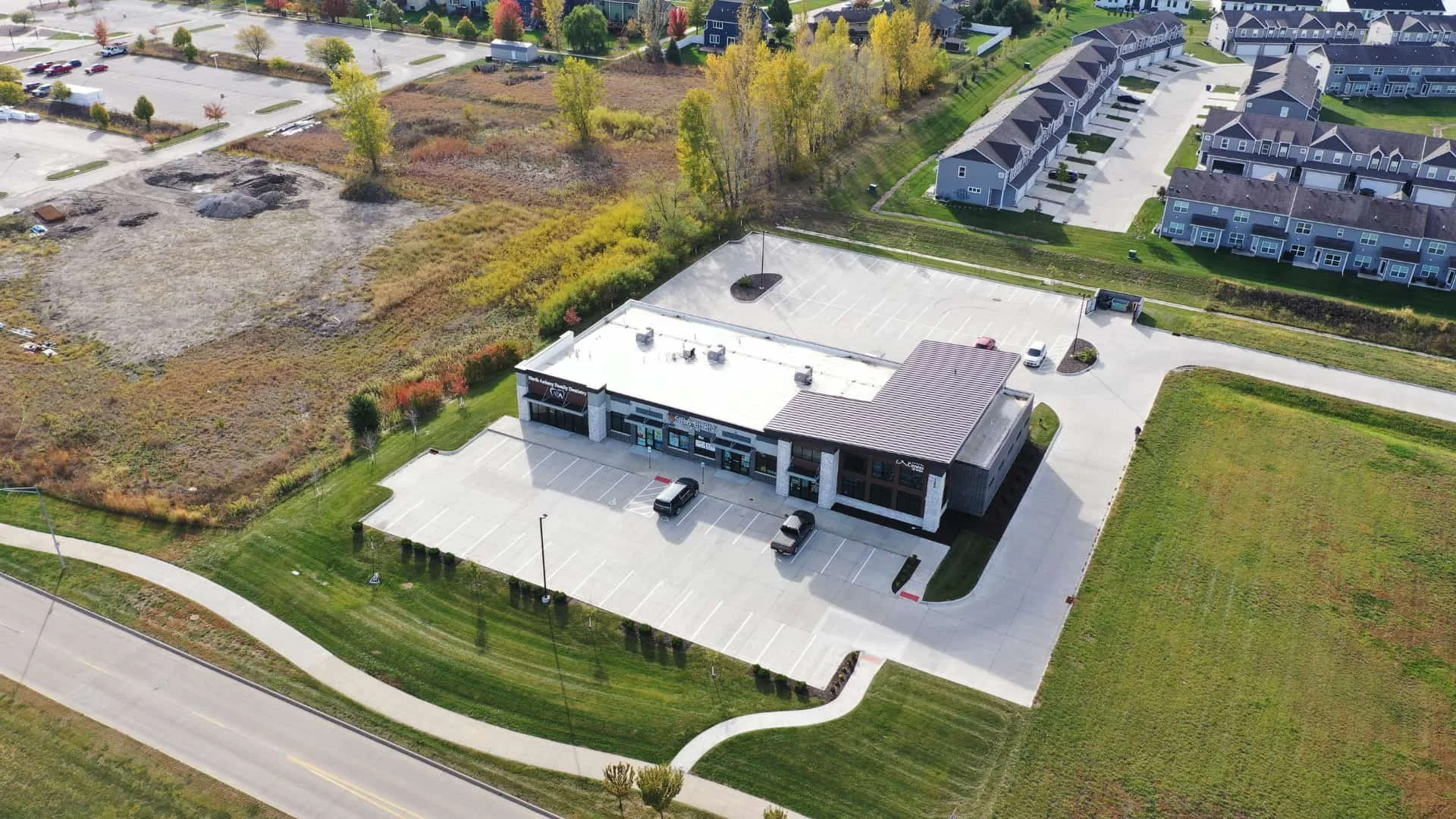
Commercial Building Inspection Cost
So many commercial building investors ask the question, “How much does a commercial building inspection cost?” We are here to break it all down.
The answer to this question is simple, yet ambiguous. The answer is that it really depends.
A commercial building inspection cost depends on the building size, type, geographical location, the buyer’s wants and needs, and other factors. Each commercial building is unique, so the inspection experience must be priced accordingly. Honestly, as commercial building inspectors, we rarely charge the same fee for an inspection. It boils down to all of the nuances for each commercial inspection request we receive.
Unfortunately, the answer isn’t super straightforward or specific. However, the trend we see across the United States is somewhere between 12 - 25 cents per square foot, on average.
Our commercial building inspection cost is quoted based on several factors, as mentioned previously. We offer a full commercial inspection in which we follow an hourly fee structure vs a square footage model. Our hourly fee structure ranges from $200 - 300/hr, plus additional flat fees for ancillary services, including sewer scope inspection, radon testing, CapEx, and more. You receive information regarding specific ancillary service pricing when you request a commercial inspection quote.
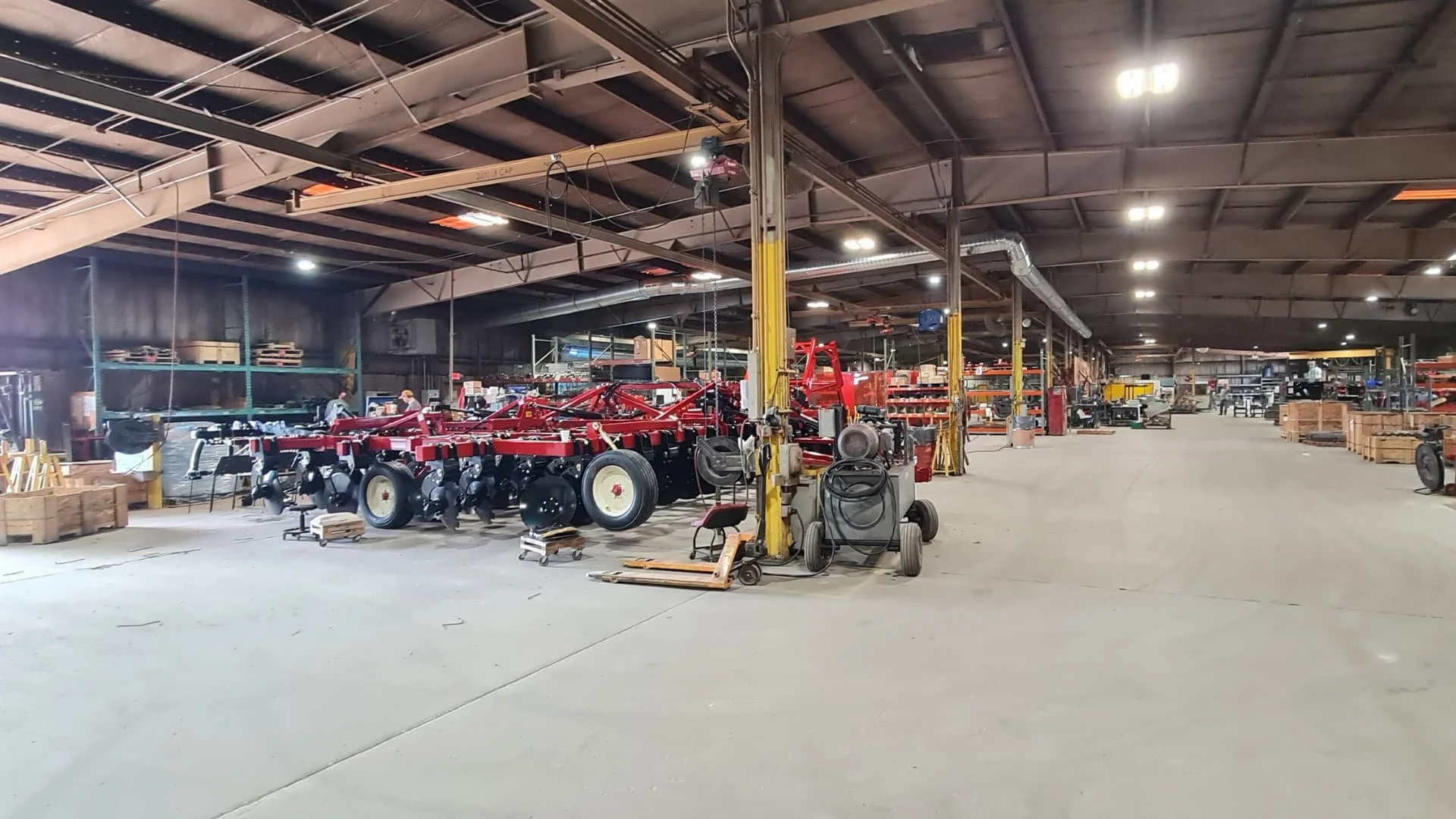
The Commercial Inspection Process
Understanding the commercial inspection process can help you prepare and know what to expect for the inspection and price tag. Here are the typical steps involved:
Pre-inspection: Before the on-site visit, the inspector will review the property’s history, including any previous inspections, repairs, and maintenance records. This background information helps the inspector understand the property’s condition and any recurring issues.
On-site inspection: The inspector will conduct a thorough visual examination of the property’s exterior and interior. This includes checking all systems and components, such as the roof, walls, floors, electrical, plumbing, and HVAC systems.
Testing and evaluation: To identify hidden problems, the inspector may perform specialized tests. For example, thermal imaging can reveal insulation issues, while moisture testing can detect leaks or water damage.
Report preparation: After the inspection, the inspector will compile a detailed report summarizing their findings. This report will highlight any defects, damage, or safety hazards and provide recommendations for repairs and maintenance.
Report delivery: The final step is delivering the digital inspection report to you via your inspection portal. The report will serve as a valuable tool for making informed decisions about the property.
Additional Services and Considerations
Beyond the standard commercial building inspection, there are several additional services and considerations that can provide a more comprehensive understanding of your property’s condition. These services can be crucial, depending on the specific needs of your commercial property.
Environmental Testing: This service includes testing for hazardous materials such as asbestos and lead. Identifying these materials is essential for ensuring the safety of the building’s occupants and complying with environmental regulations.
Structural Evaluation: You will want to consider an in-depth structural evaluation of the property, particularly for complex systems and major structural concerns.
Sewer Line Inspection: The sewer system is the carrier for all waste. If you are looking to purchase a property that contains several restrooms with tenants or employees, this is an invaluable service that may be consequential to skip.
Other Services: If there are other services you need, such as an inspection for mold or heavy equipment for example, reach out to us. We have a myriad of trusted contacts we can organize on your behalf.
Discussing these additional services with your commercial building inspector can help you determine which ones are relevant to your property. Including these services in your inspection can provide a more comprehensive inspection report, giving you a clearer picture of the property’s condition and any potential issues. You will want to factor in any additional services into the overall commercial building inspection cost.
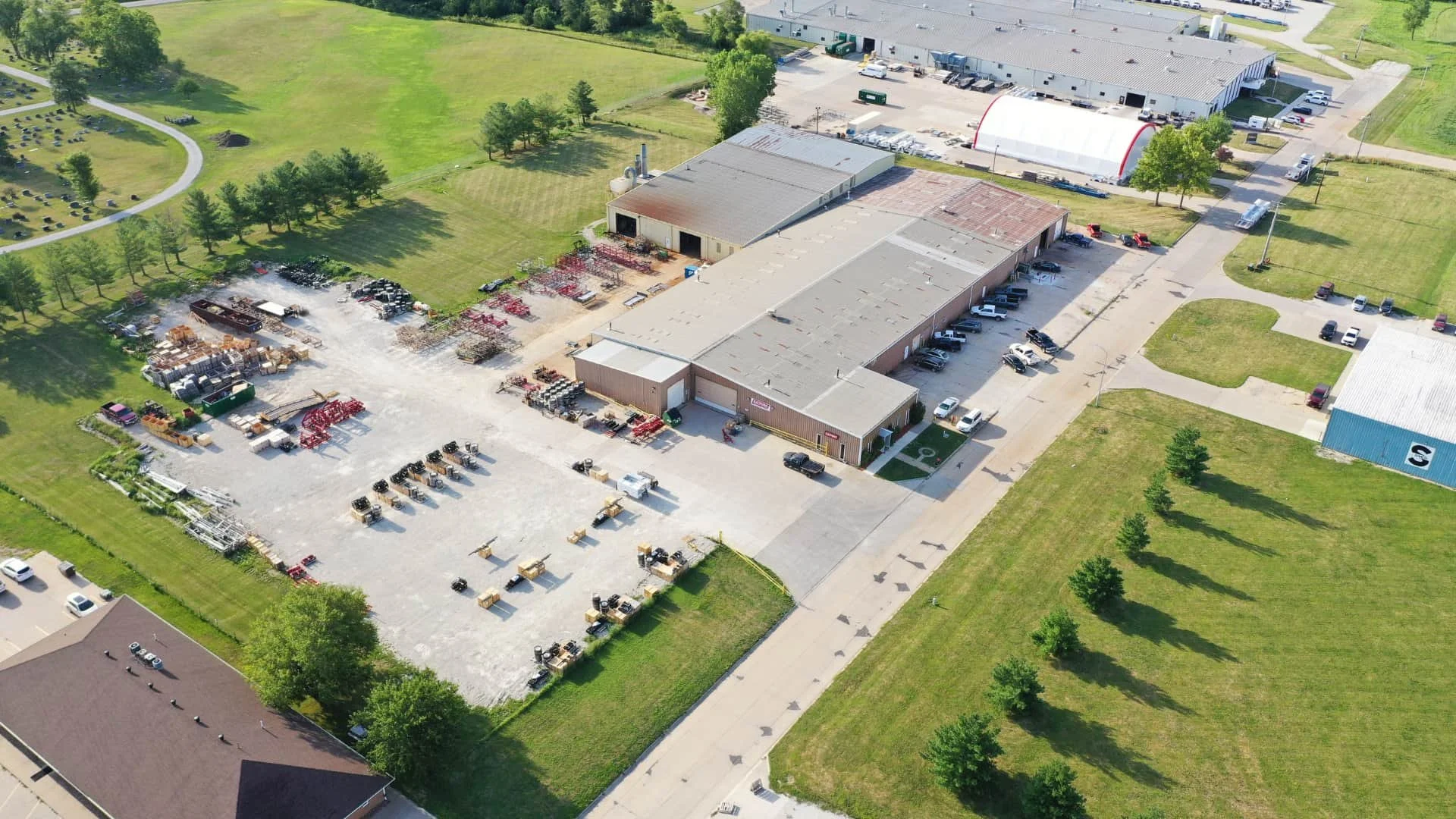
Commercial Building Inspection Importance
A thorough property inspection conducted by a certified commercial building inspector is super important when making a huge investment. It’s not advised that you inspect the property yourself, even with construction knowledge/experience, because inspecting is a very niche skill set. Paying thousands or even millions of dollars for a property is an investment you definitely want to walk into with eyes wide open. Whether you’re a large business pro expanding your portfolio or a first-time solo investor, a thorough inspection is money well worth spending because it will uncover the authentic condition of the property and help you understand the costs associated with any necessary treatments, repairs, and replacements.
A commercial property inspection can provide many benefits. Some benefits to consider are the following:
Major Systems - HVAC, electrical, and plumbing systems are all evaluated. These are big ticket items to not overlook. The roof, structure, grounds, and drainage are also very important areas to inspect for major defects and potential repairs.
We recommend adding two additional services: sewer line inspection and CapEx Planning. The sewer line inspection, also known as sewer scope inspection, will visually inspect the lateral sewer line connecting the building to the city main or septic system. This is especially important because most investors overlook it since it’s “out of sight, out of mind.” We have saved both our commercial inspection clients tens of thousands in repairs when they purchased this service.
Capital Expenditure Planning - The more defects found, the more this will cost in repairs, replacements, treatments. We advise prioritizing these into immediate and long-term action steps. You’ll want this information to validate any purchase decision. CapEx Planning is a great way to determine roughly how much repairs will cost you if you proceed with the purchase. Of course, this is valuable information to have when making an investment decision. Hire us to provide information for those big ticket items in need of repair. We recommend adding this service onto your inspection for every investment property.
Property Value - The more repairs are required, this may decrease the property value which will leave room for potential negotiation with the seller. For example, if purchasing the building for $2,000,000 but $500,000 are needed in repairs, that information will be handy when making your final investment decision.
Safety - Inspectors can identify safety hazards and potential safety concerns that could put tenants, building occupants, and employees at risk for things, such as fires, electrical problems, broken guardrails, trip hazards, and more. If you have specific safety concerns, be sure to let us know when submitting your quote request.
Operating Expenses - Landlords can use inspection findings to anticipate short-term and long-term operating expenses which factor into the final cash flow analysis.
Maintenance - A good commercial inspection will identify small issues that could be larger problems down the road. Sometimes something as simple as a good cleaning of the sewer line or replacing a leaky faucet could save you thousands.
Lifespan - Routine inspections can identify normal wear and tear which may help prolong the lifespan of the property. We recommend having an annual maintenance inspection done on the entire property for optimal benefit. We perform annual maintenance inspections, so get on our schedule!
Commercial Building Inspection Hiring
Our commercial building inspection includes all of the items mentioned and more, depending on preference and need. For a detailed understanding of what is and is not inspected, view CCPIA’s International Standards of Practice for Inspecting Commercial Properties (ComSOP). If you have questions regarding the ComSOP, please contact us. We’re here to answer questions with clarity!
With our CCPIA commercial certification, experience, and keen eye for detail, we can assist you in navigating the pros and pitfalls of a property so you can be confident in making an informed investment decision. Let our certified commercial inspectors lead the way. Schedule your commercial building inspection with us today!
Choosing the Right Commercial Property Inspector
Not all inspectors are equally experienced in commercial work. Choosing the right partner can significantly affect the quality and usefulness of the report you receive and the protection it provides for your investment.
Prioritize firms that perform commercial inspections every week—not companies that primarily do residential work with occasional commercial jobs. Commercial buildings present unique challenges: larger and more complex systems, multi-tenant occupancies with competing access needs, building codes that differ fundamentally from residential requirements, and financial stakes that demand thorough documentation. Experience matters.
When evaluating potential inspection partners, ask about the number of commercial building inspections completed annually and whether that volume is concentrated in your property type. Request sample reports to evaluate depth, clarity, and usefulness. Ask for references from transactions similar to yours in size and complexity. Verify insurance coverage including E&O limits appropriate for commercial work.
For complex assets like medical office buildings, cold storage warehouses, or manufacturing plants, seek inspectors who can coordinate mechanical, structural, and environmental specialists as needed. The right firm serves as a project manager, bringing in the full range of expertise required while maintaining a consistent client experience and unified reporting.
The best approach is to contact a commercial inspection company with the property address, intended use, and due-diligence dates. A qualified firm will respond with a tailored proposal that addresses your specific needs, timeline constraints, and scope requirements. Starting that conversation early in your transaction gives you flexibility to complete thorough inspections and any necessary follow-up evaluations before deadlines pressure your decisions.
How to Schedule Your Commercial Building Inspection
We are the RIGHT team for your commercial building inspection!
Scheduling a commercial building inspection with us is simple and efficient. Clients and real estate professionals consistently commend our responsiveness and the convenience of scheduling using our quote request form.
Once you submit a quote request, our team will follow up to discuss the project details and answer any questions. We then provide a clear, professional proposal for your review. Upon approval, we schedule the inspection and complete it as planned, with the same attention to detail you can expect throughout the process!
Frequently Asked Questions About Commercial Property Inspectors
How much does a commercial property inspection cost?
Costs vary based on property size, complexity, and location. A small retail shell under 5,000 square feet might start around $1,500–$2,500. Mid-sized office buildings and warehouses in the 25,000–75,000 square foot range typically run $4,000–$8,000. Large multi-building sites or complex properties like hospitals and manufacturing facilities can reach $15,000–$50,000 or more. Pricing often falls in the $0.10–$0.25 per square foot range, with specialist consultants adding to the base cost when needed.
How long does a commercial inspection take?
Most single-building site visits are completed in half a day to a full day depending on size and complexity. Written reports are typically delivered in 2–5 business days. A 30,000-square-foot office building might require 4–6 hours on site with a report delivered within one week. Multi-building campuses or complex facilities may require multiple inspection days and a week or two for comprehensive reporting.
Is a commercial inspection required by law?
Commercial inspections are generally not mandated by law the way building permits or certificates of occupancy are. However, they are effectively required by the transaction itself. Most commercial lenders require property condition assessments as a condition of financing. Purchase agreements typically include inspection contingencies that allow buyers to evaluate condition before closing. The requirement comes from contracts, lenders, and internal risk policies rather than direct legal mandates.
What’s the difference between a commercial inspection and a structural engineer’s report?
A commercial property inspector performs a broad condition survey covering all major building systems, the envelope, site, and interior spaces. The report documents observed conditions across the entire property and estimates repair costs. A structural engineer focuses specifically on the building’s structural integrity— foundations, framing, load-bearing walls, and other structural components. When a general inspection reveals cracks, settlement, or other structural concerns, a structural engineer may be recommended for deeper investigation that includes calculations, invasive testing, or design of repairs.
What should I do if the inspection reveals major problems?
Major findings don’t necessarily mean you should walk away from a deal. Use the inspection report as a negotiating tool to request repair credits, price reductions, or seller-completed repairs before closing. The documented repair costs provide concrete figures for negotiations. For issues discovered after purchase, the report establishes a capital planning baseline so you can budget appropriately and address problems systematically rather than reactively.
Want More?
Check out other posts we’ve written.