Commercial Property Inspectors In Des Moines, Iowa
Key Takeaways
A commercial property inspector evaluates offices, warehouses, retail centers, multifamily buildings, and other income-producing properties to reveal true condition, risks, and long-term costs before a deal closes. These inspections are typically ordered before purchasing, leasing, refinancing, or selling, with most walk-throughs taking several hours and full written reports delivered in 2–5 business days depending on size and complexity. Inspectors generate comprehensive written reports that include photos, itemized issues, and cost estimates for repairs.
A qualified commercial property inspector reviews structure, roof, building envelope, interior spaces, accessibility, and major systems including HVAC, electrical, plumbing, and fire protection, along with key building documents like maintenance logs, permits, and environmental studies.
Investors, lenders, and tenants use commercial inspection reports—often called Property Condition Assessments or PCAs—to negotiate price, allocate repair credits, and plan capital expenditures over the next 5–10 years. These reports help stakeholders plan for the future by projecting long-term maintenance and capital expenses.
The depth of commercial building inspections far exceeds residential work, covering footprints from 10,000 to 500,000+ square feet, complex multi-tenant lease structures, and systems that directly impact rental income and property investment returns.
This article is written from the perspective of a professional inspection company that can perform local and multi-site inspections and coordinate specialists such as structural engineers, roofing consultants, or environmental firms when needed.
What Is a Commercial Property Inspector?
A commercial property inspector, also known as a commercial inspector, is a trained professional who evaluates income-generating properties for condition, compliance, and safety. Unlike someone buying a single-family home, investors and tenants in commercial real estate need detailed intelligence about office buildings, shopping centers, industrial facilities, hotels, and mixed-use developments. The inspector’s role is to document what exists, what’s failing, and what will need attention in the years ahead.
In 2026, commercial property inspectors evaluate non-residential buildings to identify structural defects, safety hazards, and compliance gaps.
The inspector’s job is not to “pass or fail” a building. Instead, the goal is to document existing defects, deferred maintenance, and expected remaining service life of major systems. A well-executed inspection gives clients the data they need to make informed decisions about pricing, repairs, and long-term capital planning.
Typical commercial clients include private investors seeking their first or fiftieth property, REITs assembling portfolios across multiple markets, lenders requiring due diligence documentation, insurance companies evaluating risk, franchisors vetting locations for new operators, national tenants committing to long-term leases, and owner-occupiers purchasing space for their own business operations.
Unlike residential inspectors who typically evaluate properties under 3,000 square feet, a commercial building inspector regularly deals with larger footprints ranging from 10,000 to 500,000+ square feet. The systems are more complex, the building codes more demanding, and multi-tenant lease structures create layered responsibilities that require careful analysis. Experience with the specific asset class is important, as each property type has unique mechanical and safety requirements.
When Do You Need a Commercial Property Inspection?
Timing is critical. Most clients schedule commercial property inspections during due diligence, often within 5–20 days after signing a purchase and sale agreement or letter of intent. Waiting too long can leave you scrambling to interpret findings before contingency deadlines expire.
Pre-purchase inspections for investors represent the most common scenario. Whether you’re acquiring a 20,000-square-foot retail strip center or a 200,000-square-foot distribution warehouse, understanding the property condition before closing protects you from inheriting expensive problems. Inspectors will inspect the building’s structure and exterior, including the roof, foundation, and overall integrity, to identify repairs, safety issues, or deferred maintenance. A thorough inspection can reveal that the roof needs replacement within three years, the HVAC system is undersized for current tenant loads, or the parking lot requires a complete overlay.
Pre-lease inspections for long-term tenants help major occupants understand what they’re committing to. A national retailer signing a 15-year lease wants to know if the building’s electrical capacity can support their planned operations, whether the HVAC will maintain comfortable temperatures year-round, and if any code deficiencies might trigger costly upgrades.
Pre-listing inspections for sellers allow owners to identify and address issues before buyers discover them. This proactive approach can streamline negotiations and justify asking prices by demonstrating transparency about property condition.
Lender-required PCAs are standard for refinancing or new commercial loans. Banks and institutional lenders want third-party documentation that the collateral is in reasonable condition and that planned reserves align with anticipated capital needs over the loan term.
In a typical 45-day due-diligence period for a 50,000-square-foot warehouse, the site visit is completed in one day and the written report is delivered within 5–7 business days. In most cases, the inspection report will include cost estimates and recommendations for repairs or maintenance. This timeline leaves room for follow-up investigations if the initial inspection reveals structural concerns or potential environmental issues.
Portfolio owners and asset managers may also order recurring inspections every 3–5 years to support capital planning. These periodic assessments track the condition of roofs, parking lots, and mechanical equipment across multiple locations, enabling data-driven decisions about where to allocate limited maintenance and replacement budgets.
Seasonal factors matter for scheduling. Snow on roofs in January across northern states may limit roof evaluation. Inspectors often recommend follow-up roof walks in spring when conditions allow safe access and full visibility of membrane conditions.
Qualifications and Background of a Commercial Property Inspector
Commercial property inspectors come from varied professional backgrounds, but experience with building systems is essential. The inspection process for a 100,000-square-foot office building demands expertise that goes far beyond what’s required for residential work.
Typical credentials include licensed Professional Engineers (PE) with mechanical, electrical, or structural specializations, Registered Architects (RA) with construction administration experience, ICC commercial building inspectors with code enforcement backgrounds, and inspectors with extensive facilities management or commercial construction experience. Organizations like the Certified Commercial Property Inspectors Association (CCPIA) offer specialized certification requiring completion of commercial inspection standards courses, code of ethics training, and passing examinations.
Many firms use a “team approach” for complex properties, pairing a lead inspector with specialists such as structural engineers for foundation concerns, roofing consultants for detailed membrane analysis, elevator technicians for vertical transportation equipment, or fire protection contractors for sprinkler and alarm systems. This coordinated approach guarantees that nothing falls through the cracks on buildings where single-system failures can cost hundreds of thousands of dollars.
Beyond state certifications, clients should look for documented commercial inspection training with verifiable credentials, membership in relevant associations such as ASTM committees or local BOMA chapters, proof of errors and omissions (E&O) insurance with adequate coverage limits, and a track record of completed commercial projects similar in size and type to the subject property.
A good inspector must also understand how leases work. NNN (triple-net) leases shift responsibility for repairs, taxes, and insurance to tenants, while gross leases keep those obligations with the landlord. Understanding these structures allows the inspector to tailor recommendations to the client’s actual obligations rather than providing generic advice that may not apply to their specific situation.
What a Commercial Property Inspector Looks For
Commercial building inspections are primarily visual but systematic, moving from the site and exterior envelope through interior spaces and into major building systems. The goal is comprehensive documentation that supports investment decisions and capital planning.
The inspector documents observed conditions with digital photos, detailed notes, and sometimes infrared imaging to detect issues invisible to the naked eye. These observations are compiled into a narrative report with cost estimates that quantify what repairs and replacements will likely cost over the next decade. Industry data suggests that 70% of commercial properties surveyed reveal significant defects, with average reports identifying 15–20 major issues.
The depth of inspection may vary by scope. A limited “walk-through” might suffice for a small retail shell under 5,000 square feet. A full PCA with intrusive testing and specialist support is appropriate for hospitals, heavy manufacturing facilities, or high-rise office buildings where system complexity and failure consequences are significantly higher.
Review of Building Documents
Before or immediately after the site visit, the inspector or consulting team requests documents that provide context for field observations. These records reveal critical information about the building’s history and current status.
Key documents include original construction drawings and as-built plans that show how the building was actually constructed, past PCAs or engineering reports that document previously identified issues, building permits for original construction and subsequent renovations, certificates of occupancy confirming legal use classifications, and major renovation records showing work completed over the building’s life.
Operational records are equally critical. Maintenance logs for boilers, chillers, and other mechanical equipment indicate whether systems have received proper care. Elevator inspection certificates verify compliance with safety requirements. Roof warranties establish manufacturer obligations and remaining coverage periods.
Inspectors compare document information with field observations to determine remaining useful life. If maintenance logs show a chiller was installed in 2008, the inspector can calculate that the unit is approaching or past its typical 20–25 year service life and factor replacement costs into projections. If records reveal a roof was last replaced in 2015 with a 20-year warranty, the inspector knows to examine the membrane closely for signs of premature failure.
Discrepancies create red flags. Undocumented mezzanines added without permits, unpermitted tenant build-outs that may not meet current code, or expired fire alarm test tags all indicate potential compliance issues that could require costly corrections. These findings go directly into the final report with appropriate recommendations for follow-up.
Site and Building Exterior
Inspectors walk the site first, evaluating access, drainage, and how the building’s exterior—including walls, roofing, landscaping, and parking areas—protects the structure from weather and physical damage. The site tells a story about how water moves during storms, how traffic flows for tenants and deliveries, and how well previous owners maintained external assets.
Paving and parking lots receive detailed attention. Asphalt condition is evaluated for cracking patterns, alligator deterioration, and pavement failures. Striping visibility affects both safety and ADA compliance. Accessible parking stalls and ramps must meet current requirements for quantity, location, and slope. Sidewalks, curbs, and pedestrian pathways are checked for trip hazards.
As part of the overall exterior assessment, it is important to inspect landscaping for overgrown vegetation, drainage issues, and potential impacts on the building’s foundation or exterior walls. Stormwater management features—including catch basins, retention ponds, and underground detention systems—affect long-term drainage and can create expensive problems if failing. Retaining walls require evaluation for movement, cracking, and proper drainage. Loading docks must function safely for the intended use, with dock equipment, levelers, and weather seals in working condition. Exterior lighting affects safety, security, and tenant satisfaction.
Building envelope components protect the structure and its occupants from weather. Masonry or tilt-up concrete walls may show cracks, spalling, or efflorescence indicating moisture intrusion. Siding materials including metal panels, EIFS, or fiber cement are examined for damage and deterioration. Windows and storefronts are checked for seal failures, frame corrosion, and operational problems. Doors must operate properly with functional hardware and weather sealing. Foundation surfaces visible above grade are inspected for cracks, settlement, or water damage.
Inspectors inspect the building's exterior components such as roofing, walls, landscaping, and parking areas to identify repairs, safety issues, or deferred maintenance. They look for settlement cracks that suggest ongoing foundation movement, spalling concrete where freeze-thaw cycles have damaged surfaces, damaged stucco or coatings that may accelerate corrosion of underlying materials, deteriorated sealant joints at windows and penetrations that allow water infiltration, and failing paint or protective coatings that leave substrates vulnerable.
Roof Systems
Roofs are a major cost center for commercial property owners, with replacement costs ranging from $5 to $15 per square foot depending on system type. Inspectors attempt to walk every accessible roof, evaluating membrane condition, flashings, penetrations, and drainage.
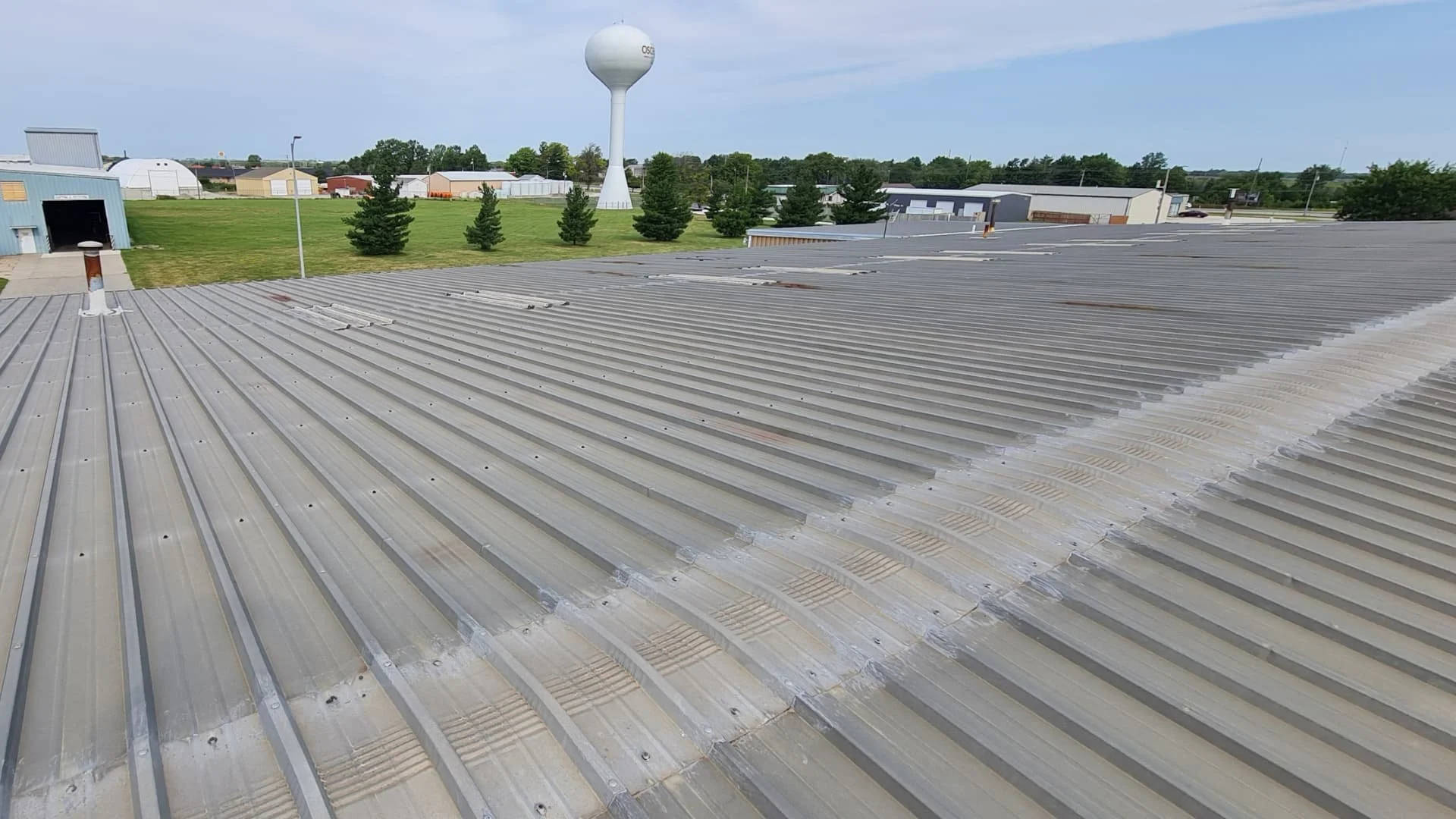
Real roof types encountered in commercial work include built-up roofing (BUR) with multiple asphalt and felt layers, single-ply membranes like TPO (thermoplastic polyolefin) and EPDM (ethylene propylene diene monomer), modified bitumen systems with torch-applied or self-adhered membranes, metal panel roofs on industrial and some retail buildings, and sloped shingle roofs on smaller office buildings or suburban retail.
Visible issues documented during roofing inspections include ponding water around drains indicating improper slope or clogged drainage, open seams where membrane sections have separated, blistering in modified bitumen or BUR systems indicating trapped moisture, exposed insulation where membrane has failed or been damaged, rust at fasteners on metal roofs that may allow water penetration, loose or damaged coping along parapet walls, and evidence of past leak repairs that may indicate chronic problem areas.
Inspectors estimate remaining service life based on age, condition, and typical life expectancy for the system type. A TPO roof installed in 2015 with a typical life of 20–25 years might be assessed as “anticipate replacement near 2035–2040” with budget numbers attached to near-term repairs such as caulking penetrations, cleaning drains, or addressing localized damage.
When large portions of the roof are inaccessible or obscured—whether by snow, solar panel installations, or safety concerns—the inspector states limitations clearly in the report. Recommendations may include a separate evaluation by a roofing contractor, infrared moisture survey to detect trapped moisture beneath the membrane, or return visit when conditions allow safe access.
Interior Spaces and Finishes
Interior inspections focus on safety, functionality, and signs of moisture or structural movement that may be hidden behind finishes. The condition of interior spaces affects tenant satisfaction, leasing potential, and ongoing maintenance costs.
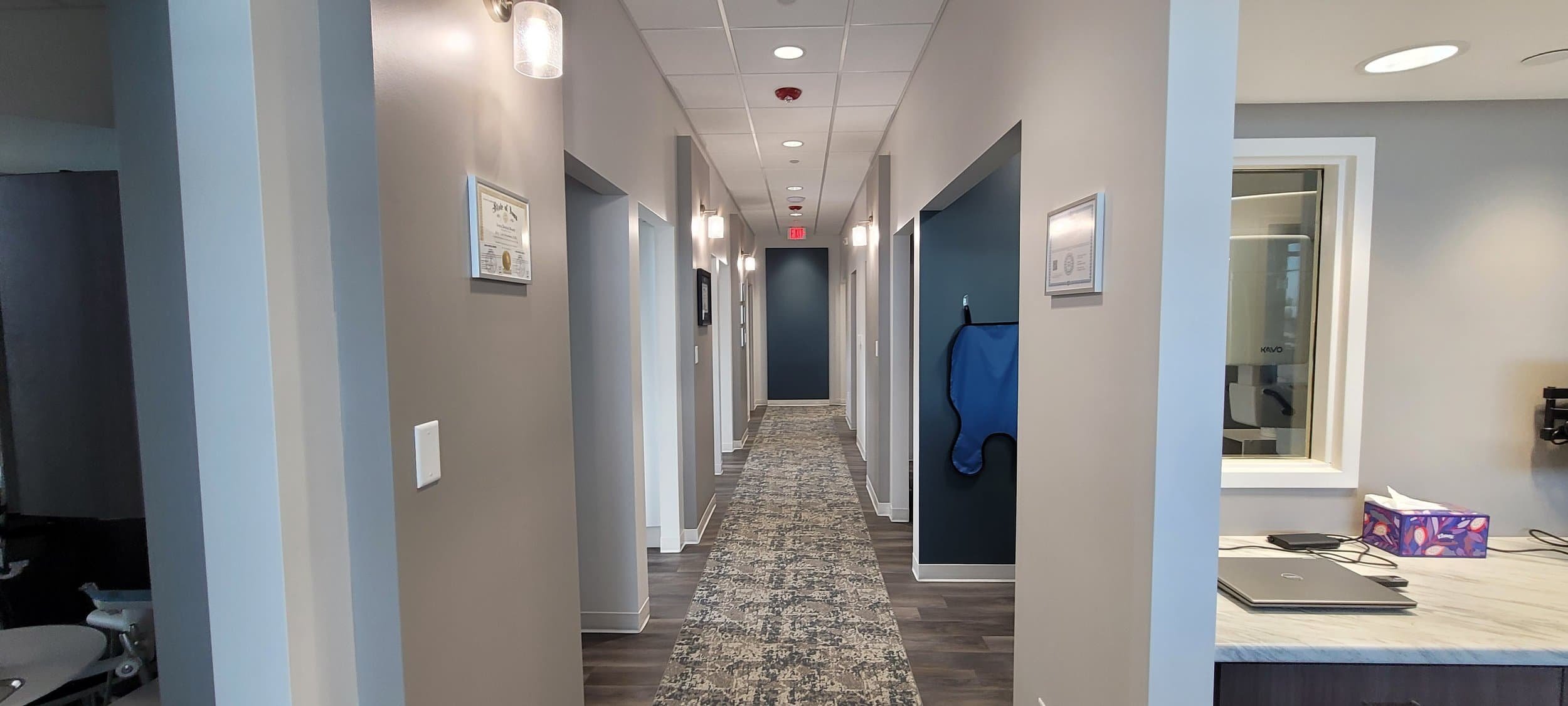
Typical areas evaluated include lobbies and common corridors that create first impressions for tenants and visitors, individual office suites across multiple floors, restrooms including fixtures, finishes, and accessibility features, kitchens or break rooms with appliances and plumbing fixtures, stairwells including structure, finishes, and code-required features, mechanical and electrical rooms housing building systems, storage rooms and back-of-house spaces, and specialty areas like labs, commercial kitchens, or clean rooms that have unique requirements.
Defects commonly documented during interior inspections include ceiling stains indicating past or ongoing leaks from roofing or plumbing systems, damaged or missing acoustic ceiling tiles affecting appearance and potentially concealing issues above, cracked gypsum board that may indicate structural movement or poor original construction, loose railings on stairs or mezzanines that create safety hazards, damaged flooring presenting trip hazards or indicating moisture problems below, inoperable doors or malfunctioning hardware affecting egress and security, and inadequate ventilation or temperature control affecting tenant comfort.
Emergency lighting is tested to verify battery backup operation. Exit signage is confirmed visible and properly located. Fire extinguisher locations, types, and inspection tags are noted. Proper clearance in electrical rooms is verified for safety and code compliance.
Major Building Systems (HVAC, Electrical, Plumbing)
Building systems represent a large share of both operating costs and capital expenditures. HVAC system replacement can cost $15–25 per square foot for a complete building. Electrical service upgrades run into hundreds of thousands of dollars for large commercial buildings. Inspectors pay close attention to age, capacity, and visible condition of all major systems.
HVAC evaluations document the type of system serving the building—rooftop units (RTUs), split systems with condensing units and air handlers, central plant with boilers and chillers, or variable refrigerant flow (VRF) systems increasingly common in office buildings. The approximate age is determined from nameplate data, installation records, or visual assessment. General operating condition is evaluated by running equipment when possible and noting deferred maintenance like dirty coils reducing efficiency, rusted housings indicating end-of-life, or missing access panels suggesting poor maintenance practices. Capacity relative to the building’s actual heating and cooling loads is considered, particularly if the intended use differs from current occupancy.
Electrical evaluations begin with the main service. A typical mid-sized commercial building might have 2000-amp, 480/277-volt, three-phase service. The condition of switchgear, distribution panels, and subpanels is documented. Visible wiring methods are noted for safety. GFCI protection in required areas like restrooms, kitchens, and exterior receptacles is verified. Potential capacity issues are flagged if planned use—such as data center deployment or light manufacturing with high-draw equipment—may exceed available electrical capacity.
Plumbing checks evaluate visible supply and drain piping materials. Copper supply lines are generally preferred, while galvanized steel in older buildings may be corroding and restricting flow. PVC and ABS drain lines are standard in modern construction, while cast iron in older buildings may be deteriorating. Evidence of leaks at fixtures, under sinks, or in mechanical rooms is documented. Water heater condition, age, and capacity are assessed. Backflow prevention devices are verified present and tagged for annual testing. Signs of sewer line issues—including frequently backed-up floor drains reported by building staff—may indicate root intrusion, bellied lines, or other problems requiring camera inspection.
Accessibility, Health, and Environmental Concerns
While a standard commercial property inspector is not providing a full ADA compliance audit or Phase I Environmental Site Assessment, obvious accessibility and health concerns are flagged for further specialist review when warranted.
Common accessibility items noted during inspections include the number and layout of accessible parking stalls relative to requirements, ramp slopes that may exceed ADA maximums, door hardware that may be difficult for persons with disabilities to operate, restroom grab bar installation and clearances, and pathway obstructions that impede wheelchair access to building entrances or common areas.
Visible environmental red flags require attention even though full investigation is beyond the inspection scope. Suspected asbestos-containing materials in buildings constructed before 1980—including pipe insulation, floor tiles, and spray-applied fireproofing—are noted for testing by qualified professionals. Peeling paint on pre-1978 structures may contain lead and requires assessment if renovation is planned. Signs of chronic moisture or mold growth in occupied spaces create health concerns requiring remediation. Storage of chemicals or fuels without secondary containment may indicate potential contamination requiring environmental investigation.
Any suspected environmental issue is typically referred to a separate Phase I ESA, industrial hygienist, or other qualified consultant. The inspection report clearly defines the limits of the inspector’s scope to avoid confusion about what was and wasn’t evaluated.
Some clients specifically add supplemental testing to their inspection scope. Radon testing may be appropriate for lower-level occupied spaces in geographic areas with known radon prevalence. Indoor air quality sampling addresses tenant complaints or suspected contamination. Thermal imaging using infrared cameras can reveal hidden moisture, electrical hot spots, or insulation deficiencies that aren’t visible during standard visual inspection.

The Commercial Property Inspection Process
The commercial inspection process follows a logical sequence from initial inquiry through report delivery. Understanding realistic timelines and communication expectations helps clients plan due diligence activities effectively.
For a typical mid-sized property—such as a 30,000-square-foot office in a suburban market—the site visit often requires half a day to a full day depending on building complexity and access to all spaces. A draft report is typically delivered within 2–5 business days, with final revisions completed shortly thereafter following client review and questions.
Larger or multi-building campuses require proportionally more time. A 10-building industrial park assessment may require a multi-day team of inspectors and specialists, with 1 week needed to finalize a detailed PCA including comprehensive cost tables for each building.
The process breaks down conceptually into three phases: pre-inspection planning to establish scope and access, on-site field work to document conditions, and reporting with follow-up to deliver actionable findings.
Many commercial property inspection companies also offer additional services such as ADA assessments, radon and sewer inspections, and maintenance recommendations. These services complement standard inspections to meet specific client needs and enhance the overall value and comprehensiveness of the inspection process.
Pre-Inspection Planning
The inspector gathers basic property information at the outset: address, building size, construction year, occupancy type, number of tenants, and current or planned use. The client’s objectives—whether purchase, lease, refinance, or capital planning—shape the scope and depth of the inspection.
A written proposal is sent that clearly defines what’s included and what’s excluded. Standard scope covers visual observation of all accessible areas and major systems. Exclusions typically include invasive testing that requires cutting into walls or roofing, formal code compliance review by licensed engineers, and environmental testing like asbestos sampling or Phase I ESAs. Fees are stated clearly along with the anticipated delivery date for the complete report.
The inspector coordinates site access with the owner or property manager. Keys or access cards may be needed for mechanical rooms, tenant spaces, and roof hatches. Document requests are sent early so that maintenance records, drawings, and prior reports are available for review. Any tenant areas that cannot be accessed during the visit—whether due to security concerns, lease restrictions, or scheduling conflicts—are identified upfront and documented as limitations.
For time-sensitive deals with tight due-diligence windows, inspectors often provide a verbal or same-day preliminary summary highlighting major issues. This allows clients to make go/no-go decisions before receiving the full written report, which remains essential for documentation and negotiation purposes.
The best advice for buyers and tenants: schedule as early as possible in the due-diligence period. If the initial inspection reveals structural concerns requiring a structural engineer evaluation, or potential environmental issues requiring a Phase I ESA, you need time to complete those follow-up investigations before contingency deadlines expire.
On-Site Inspection and Field Work
Field work typically begins with a brief meeting with the property manager or building engineer. This conversation covers known issues, recent repairs, tenant complaints, and maintenance history that may not be documented in written records. On-site personnel often know about chronic problems—the RTU that always trips on hot days, the loading dock door that sticks, the restroom that backs up during heavy use—that wouldn’t be apparent from a single-day visit.
A logical sequence guides the walk-through. Starting with the site and building exterior provides context for what’s observed inside. Roof inspection follows while the inspector is already at elevation and can observe rooftop mechanical equipment. Common interiors including lobbies, corridors, and restrooms come next. Mechanical and electrical rooms receive detailed attention given their importance to building function. Tenant spaces are inspected as accessible, with inaccessible units documented as limitations. Specialty areas with unique requirements are evaluated last with appropriate attention to their specific needs.
Inspectors take extensive digital photographs—often 200-500 images for a mid-sized building—to document conditions and support report narratives. Observations are recorded in mobile inspection software or field notes designed for efficient data capture. Simple tools enhance visual observation: moisture meters detect water intrusion in walls and ceilings, infrared cameras reveal hidden moisture or electrical hot spots, and binoculars allow observation of high or distant areas that can’t be safely accessed.
Inspectors avoid destructive testing unless specifically authorized in the scope. Removing ceiling tiles to observe conditions above is typically acceptable. Cutting into walls, probing behind finished surfaces, or taking material samples generally requires separate authorization and appropriate remediation afterward. Any areas that couldn’t be accessed—locked rooms, occupied units, unsafe roof sections, or equipment too hot to approach—are clearly documented as limitations in the report.
At the end of the site visit, many inspectors give the client a brief verbal summary of major findings. This might include expected roof replacement within 3–5 years based on observed membrane condition, undersized electrical capacity for planned manufacturing use, or structural concerns requiring follow-up evaluation by a licensed structural engineer. These preliminary observations help clients decide whether to proceed with the transaction while awaiting the formal report.
Reporting, Cost Estimates, and Follow-Up
The typical commercial inspection report follows a consistent structure. An executive summary highlights the most significant findings and provides an overall assessment of property condition. Detailed narrative sections address each major area—site, exterior, roof, interior, and each building system—with specific observations, photographs, and recommendations. A photo log supplements the narrative with visual documentation. An opinion of probable costs quantifies repairs and replacements in dollar terms.
Cost projections are typically divided into timeframes that align with investment horizons and capital planning needs. Immediate repairs (0–1 year) address safety hazards, active leaks, and failing systems requiring urgent attention. Near-term capital items (2–5 years) include components approaching end of life that can be planned and budgeted. Long-term projections (6–10 years) anticipate replacements based on typical service life remaining in major systems.
Clients frequently schedule a follow-up call or online meeting to review findings. This conversation allows clarification of technical issues, discussion of which findings are most significant for negotiations, and decisions about whether additional specialist evaluations are warranted.
Real-world example: A buyer reviewing a 100,000-square-foot distribution center built in 2002 receives an inspection report documenting a roof membrane at year 22 of an expected 25-year life, with multiple areas of ponding, failed flashings at HVAC penetrations, and evidence of past leak repairs. The report estimates $175,000 for immediate repairs and full replacement at $850,000 within 3–5 years. Armed with this documentation, the buyer negotiates a $150,000 credit at closing to fund near-term repairs, with price reduction discussions informed by the projected replacement cost.
How a Commercial Property Inspector Protects Your Investment
Inspection findings connect directly to financial outcomes. The intelligence gathered during a commercial property inspection translates into price negotiations, repair credits, lease concessions, and long-term maintenance planning that affects property investment returns for years.
By identifying hidden defects and deferred maintenance, inspectors help buyers avoid costly surprises. A major roof leak discovered six months after closing could cost $50,000 to remediate on an emergency basis—the same repair addressed proactively might cost half that and be funded by a seller credit negotiated during due diligence. Aging chillers operating on borrowed time can fail catastrophically in August when replacement contractors are booked for weeks. Parking lot failures create liability exposure and tenant dissatisfaction. Knowing what’s coming allows informed decisions about pricing and capital reserves.
Institutional investors and lenders rely on property condition assessments to validate underwriting assumptions. When a REIT acquires a $25 million office building, the PCA documents that planned reserves for replacements align with actual conditions. Lenders extending $15 million in financing want third-party confirmation that their collateral isn’t hiding expensive problems that could impair value. The inspection report becomes part of the transaction record, supporting decisions that involve substantial capital.
National or multi-site clients benefit from consistent inspection protocols across cities and states. A portfolio owner with 50 industrial properties across 12 markets can use standardized inspections to benchmark property condition, compare facilities, and prioritize capital spending where it’s most needed. Asset managers gain data-driven insights rather than relying on local property managers’ subjective assessments.
Even long-term tenants benefit from thorough inspections. A pre-lease commercial property inspection clarifies which issues the landlord must address before occupancy—perhaps the HVAC system needs rebalancing, the loading dock requires new levelers, or the restrooms need accessibility upgrades. The inspection also documents building components the tenant may be responsible for under the lease terms, establishing baseline conditions that prevent disputes about damage at lease end.
Choosing the Right Commercial Property Inspector
Not all inspectors are equally experienced in commercial work. Choosing the right partner can significantly affect the quality and usefulness of the report you receive and the protection it provides for your investment.
Prioritize firms that perform commercial inspections every week—not companies that primarily do residential work with occasional commercial jobs. Commercial buildings present unique challenges: larger and more complex systems, multi-tenant occupancies with competing access needs, building codes that differ fundamentally from residential requirements, and financial stakes that demand thorough documentation. Experience matters.
When evaluating potential inspection partners, ask about the number of commercial building inspections completed annually and whether that volume is concentrated in your property type. Request sample reports to evaluate depth, clarity, and usefulness. Ask for references from transactions similar to yours in size and complexity. Verify insurance coverage including E&O limits appropriate for commercial work.
For complex assets like medical office buildings, cold storage warehouses, or manufacturing plants, seek inspectors who can coordinate mechanical, structural, and environmental specialists as needed. The right firm serves as a project manager, bringing in the full range of expertise required while maintaining a consistent client experience and unified reporting.
The best approach is to contact a commercial inspection company with the property address, intended use, and due-diligence dates. A qualified firm will respond with a tailored proposal that addresses your specific needs, timeline constraints, and scope requirements. Starting that conversation early in your transaction gives you flexibility to complete thorough inspections and any necessary follow-up evaluations before deadlines pressure your decisions.
How to Schedule Your Commercial Building Inspection
We are the RIGHT team for your commercial building inspection!
Scheduling a commercial building inspection with us is simple and efficient. Clients and real estate professionals consistently commend our responsiveness and the convenience of scheduling using our quote request form.
Once you submit a quote request, our team will follow up to discuss the project details and answer any questions. We then provide a clear, professional proposal for your review. Upon approval, we schedule the inspection and complete it as planned, with the same attention to detail you can expect throughout the process!
Frequently Asked Questions About Commercial Property Inspectors
How much does a commercial property inspection cost?
Costs vary based on property size, complexity, and location. A small retail shell under 5,000 square feet might start around $1,500–$2,500. Mid-sized office buildings and warehouses in the 25,000–75,000 square foot range typically run $4,000–$8,000. Large multi-building sites or complex properties like hospitals and manufacturing facilities can reach $15,000–$50,000 or more. Pricing often falls in the $0.10–$0.25 per square foot range, with specialist consultants adding to the base cost when needed.
How long does a commercial inspection take?
Most single-building site visits are completed in half a day to a full day depending on size and complexity. Written reports are typically delivered in 2–5 business days. A 30,000-square-foot office building might require 4–6 hours on site with a report delivered within one week. Multi-building campuses or complex facilities may require multiple inspection days and a week or two for comprehensive reporting.
Is a commercial inspection required by law?
Commercial inspections are generally not mandated by law the way building permits or certificates of occupancy are. However, they are effectively required by the transaction itself. Most commercial lenders require property condition assessments as a condition of financing. Purchase agreements typically include inspection contingencies that allow buyers to evaluate condition before closing. The requirement comes from contracts, lenders, and internal risk policies rather than direct legal mandates.
What’s the difference between a commercial inspection and a structural engineer’s report?
A commercial property inspector performs a broad condition survey covering all major building systems, the envelope, site, and interior spaces. The report documents observed conditions across the entire property and estimates repair costs. A structural engineer focuses specifically on the building’s structural integrity— foundations, framing, load-bearing walls, and other structural components. When a general inspection reveals cracks, settlement, or other structural concerns, a structural engineer may be recommended for deeper investigation that includes calculations, invasive testing, or design of repairs.
What should I do if the inspection reveals major problems?
Major findings don’t necessarily mean you should walk away from a deal. Use the inspection report as a negotiating tool to request repair credits, price reductions, or seller-completed repairs before closing. The documented repair costs provide concrete figures for negotiations. For issues discovered after purchase, the report establishes a capital planning baseline so you can budget appropriately and address problems systematically rather than reactively.
Want More?
Check out other posts we’ve written.