Commercial Inspection: Guide to Commercial Property Inspections
Whether you're acquiring a warehouse, refinancing a retail center, or evaluating an apartment complex for your portfolio, a commercial inspection is the critical step that separates confident deals from costly surprises. This guide breaks down exactly what commercial property inspections involve, what they cost, and how to choose the right inspector for your next transaction.
Key Takeaways
A commercial inspection is a detailed evaluation of a commercial property's major systems-roof, structure, HVAC, electrical, plumbing, and site conditions-used during commercial real estate due diligence to uncover potential issues before closing.
Certified commercial property inspections help buyers, sellers, tenants, and lenders make informed decisions, negotiate price and terms, and plan for both immediate and long-term repairs.
Commercial building inspections and formal Property Condition Assessments (PCAs) are different service levels. PCAs follow ASTM E2018-24 and include capital reserve forecasts and "cost to cure" estimates, while standard inspections focus on current condition and safety hazards.
Common property types covered by commercial inspection services include office buildings, retail spaces, industrial facilities, warehouses, multi-family complexes, hospitality, medical, schools, and churches-each requiring a tailored scope.
This article walks you through the inspection process, timing, pricing factors, and how to choose qualified commercial inspectors so you can confidently schedule your next inspection anywhere in the U.S. in 2026.
What Is a Commercial Inspection and Why It Matters
A commercial inspection is a professional evaluation of a commercial building's physical condition, covering everything from the roofing membrane and structure to mechanical, electrical, and plumbing systems. The term often overlaps with "Property Condition Assessment," though a PCA is a more formal, standards-based version of the process. Both serve the same core purpose: giving stakeholders a deeper understanding of what they're buying, leasing, or lending against.
Commercial property inspections play a central role in due diligence for commercial real estate transactions. Consider a buyer purchasing a 40,000 sq ft warehouse in 2025. A thorough inspection might reveal the roof has only two years of remaining useful life and several HVAC units need near-term replacement. Those inspection findings can provide negotiation leverage for buyers or lessees, potentially saving tens of thousands at closing. Inspections can include pre-purchase and pre-lease evaluations, and they help mitigate risks related to hazardous conditions that could threaten occupants or trigger liability.
Who orders these? Investors, REITs, small business owners, franchisees, lenders, asset managers, and property owners all rely on inspection services-each with different priorities. Lenders need risk assessment. Investors need capital planning. Tenants need to know what they're inheriting. That's why working with professional inspectors who hold recognized certifications, carry liability insurance, and follow current standards is non-negotiable for reliable, defensible property condition reports.
Types of Commercial Inspection Services and Reports
"Commercial inspections" is an umbrella term covering several distinct service levels. Understanding which one you need prevents you from over-paying or under-scoping.
Standard commercial building inspections - A visual survey of accessible major components, producing a narrative report with photos, a summary of immediate safety hazards, and recommended repairs. Most commercial inspection reports are delivered the same day, and reports are guaranteed to be delivered within 24 hours. This level is typically used by small business buyers and first-time investors.
Property Condition Assessments (PCAs) - The institutional benchmark. ASTM E2018-24 is the standard for property condition assessments, and most lenders require it for SBA 504, CMBS, and similar loan products. A PCA evaluates a building's major components, helps identify deferred maintenance and physical deficiencies, and provides Opinions of Probable Costs for future budgeting. Property Condition Assessment reports are typically delivered within 48 hours, though additional research may extend the delivery time for PCA reports.
Cost-to-Cure / Capital Needs Assessments - These layer multi-year capital expenditure planning on top of a PCA, with estimated remaining useful life of major components and budgeting tables spanning 5–10 years.
Specialty services - Phase I Environmental Site Assessments, ADA accessibility surveys, energy code compliance reviews, and evaluations of elevators, fire suppression systems, or cooling towers are commonly bundled or referred out.
A local investor buying a 6-unit strip center may only need a standard inspection. An institutional buyer acquiring a 120-unit multi family complex in 2026 will almost certainly need a full PCA with capital forecasting. PCAs are essential for informed commercial real estate transactions at that scale.
What Commercial Building Inspections Typically Include
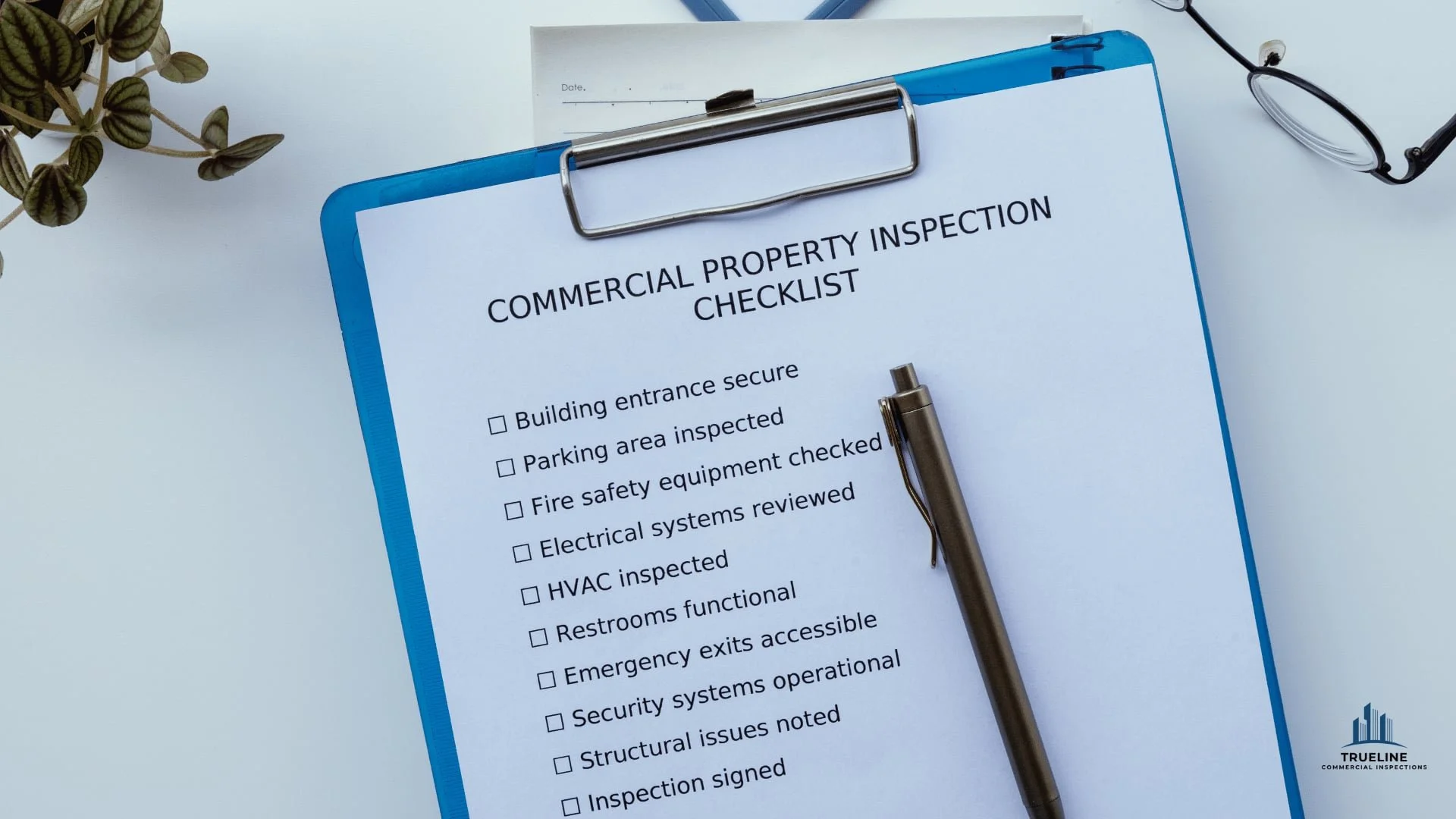
While every commercial property is unique, certified commercial inspections follow a consistent checklist of major building systems and site conditions. Commercial property inspections evaluate major building components across several categories:
Exterior and site elements:
Parking lots, drives, and curbing
Drainage, grading, and retaining walls
Exterior lighting, signage, and sidewalks
ADA accessibility features (ramps, striping)
Structure and building envelope:
Structural integrity is assessed, including foundations and load-bearing walls
Roof structure and roofing membranes, flashings, gutters
Exterior cladding, windows, and doors
MEP systems:
Mechanical systems including HVAC, electrical, and plumbing are evaluated for compliance and functionality
Equipment age, capacity, and overall condition
Visible fire sprinkler piping
Interior elements:
Representative sampling of tenant suites or units
Ceilings, floors, walls, restrooms, and break rooms
Signs of moisture intrusion, mold, or incomplete repairs
Inspector reviews often include visual assessments and documentation checks. Documentation review includes maintenance records and fire safety certificates. Life safety and fire protection systems are inspected to guarantee regulation compliance. Commercial inspectors document deficiencies by severity-immediate safety hazard, urgent repair, or deferred maintenance-and provide recommendations along with photographic evidence in a digital report.
Common Commercial Property Types and How Inspections Differ
Inspection scope and focus shift based on the type of commercial building, its use, and occupant load.
Office buildings - Focus on HVAC zoning and HVAC performance for dense IT loads, fire-life-safety systems, elevator condition, and interior finishes across tenant suites.
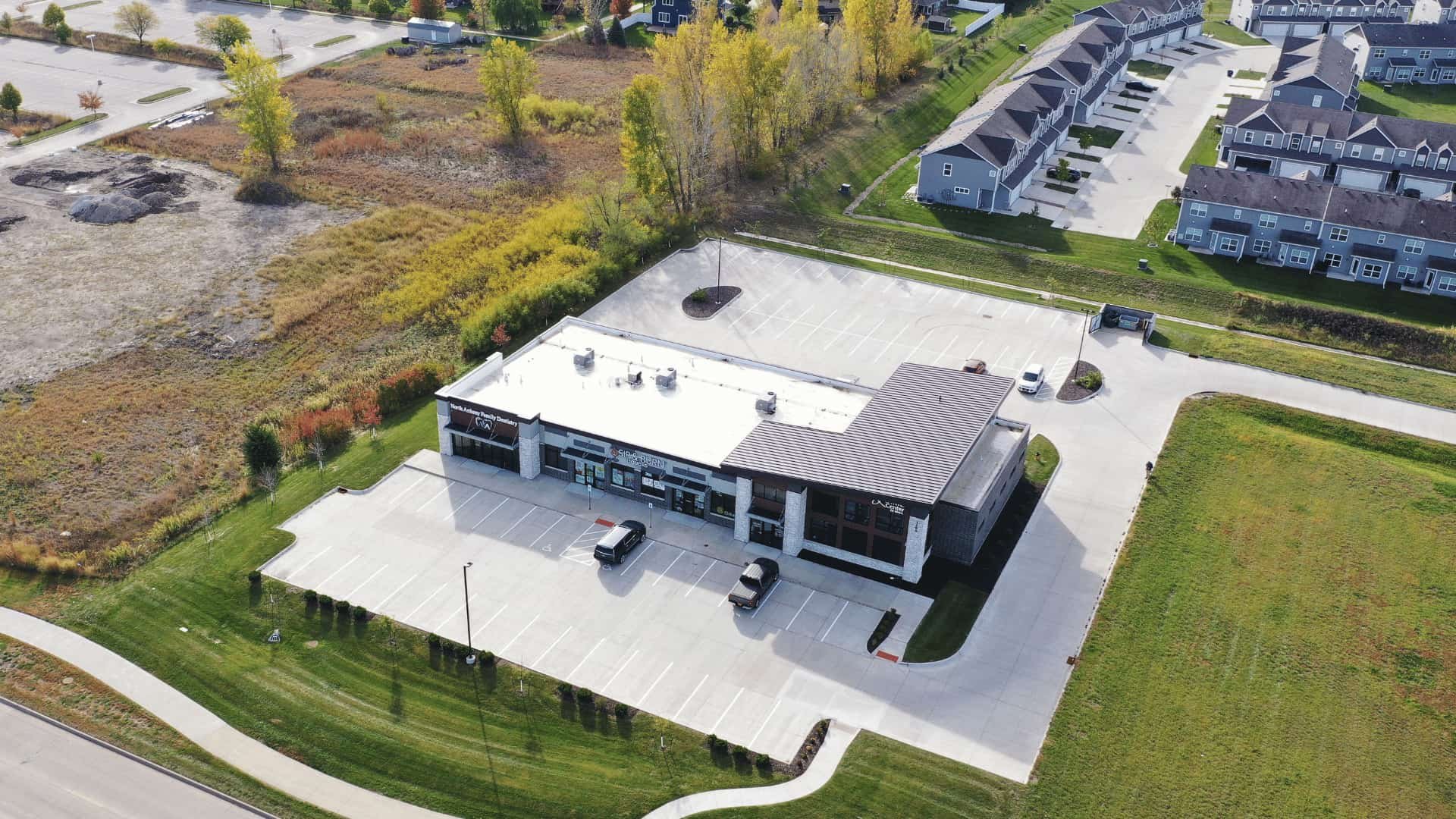
Retail spaces and strip centers - Emphasis on storefront and façade wear, parking lot condition and lighting, signage structures, and plumbing demands from food or salon tenants.
Warehouses and industrial - Slab flatness and cracking (critical for forklifts), loading docks, dock levelers, overhead doors, clear heights, and ventilation. Industrial properties include assembly plants and automotive repair garages.
Hospitality, restaurants, and medical offices - Commercial kitchen interfaces, grease waste systems, infection-control finishes, specialized gases. Medical office buildings require compliance with safety codes.
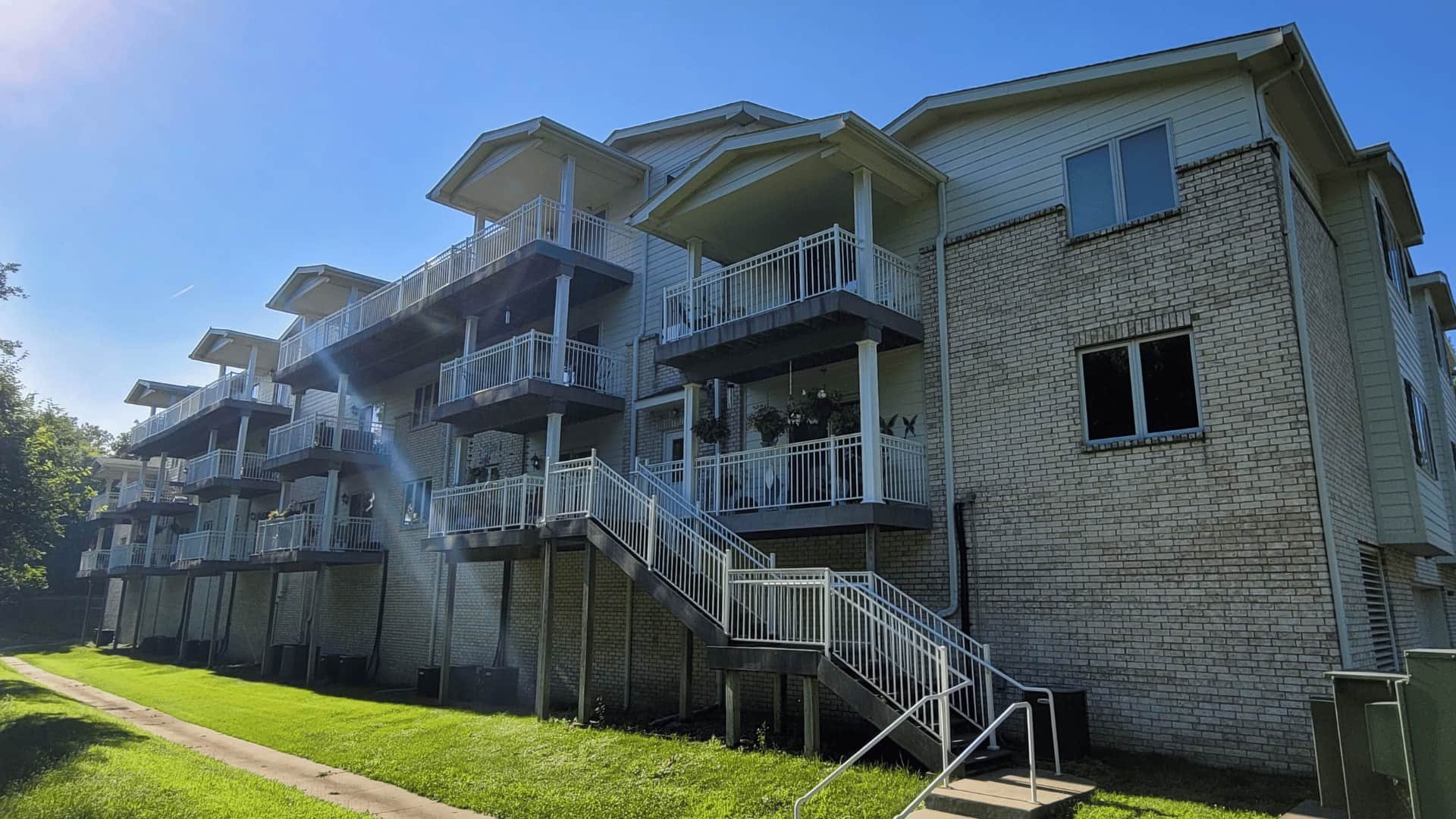
Multi-family and mixed-use - Representative unit sampling, stairwells, balconies, railings, common areas, parking structures, fire separation, and accessibility. Multi-family properties include duplexes, triplexes, and hotels.
Self-storage facilities - Self-storage facilities focus on security and structural integrity, with particular attention to roll-up doors, climate control, and drainage.
Commercial properties include warehouses, offices, and retail centers, but each demands a tailored approach from your property inspector.
The Commercial Inspection Process: From Quote to Final Report
Here's what a typical commercial inspection workflow looks like in 2026:
Pre-inspection - Collect basic property data (address, square footage, age, occupancy type). Review existing drawings, prior reports, and maintenance history. Define scope relative to due diligence deadlines. Many standard inspections can be quoted during the initial call, while complex projects may require a property questionnaire for pricing.
Scheduling and access - Coordinate with property owners, tenants, and property managers. Multi-tenant properties may require staggered access to individual suites.
Inspection day - On-site walkthrough using tools like moisture meters and infrared cameras. Interviews with maintenance staff. Representative sampling of spaces on larger sites rather than 100% coverage.
Report delivery - Inspection reports are typically delivered within 48 hours for standard commercial building inspections. Full PCAs with cost opinions are typically delivered within 3 - 5 business days. Extensive specialist input may extend this timeline.
Post-inspection support - Walk-through calls with investors or lenders, clarifications for attorneys or brokers, and optional re-inspection to verify negotiated repairs before closing or lease commencement.
Cost, Timing, and Factors That Influence Commercial Inspection Pricing
Commercial inspection pricing varies based on property size and type, and unlike many home property inspections, it is scoped project-by-project.
The primary cost drivers for a commercial building inspection include the total building area, as larger footprints require more time on site, and the number of buildings or units, since pricing is influenced by the overall scope of the project. The age and condition of the property also affect costs, as older buildings often have hidden issues that require more thorough evaluation. Property type plays a significant role, with industrial and hospitality facilities typically costing more to inspect than standard office buildings due to their complexity. Geographic location impacts pricing because of travel requirements and regional labor rates. Finally, the scope of services requested—such as a Property Condition Assessment (PCA), a standard inspection, or specialty add-on services—can significantly influence the overall cost.
For properties under 50,000 sq ft, standard PCAs often fall in the $1,250–$2,500 range. Larger or more complex properties-a 200,000 sq ft industrial facility or a 150-unit apartment complex-can run $5,000–$10,000 or more. Tight due diligence timelines, rush reporting, and weekend site visits add premiums, but investors often accept this to maintain 30- or 45-day closing schedules.
Understanding inspection results aids in financial planning for repairs and maintenance costs, which is why cutting corners on inspection scope rarely helps you save money in the long run.
How to Choose Qualified Commercial Inspectors
Choosing the right commercial inspection firm matters as much as the building itself. Here's what to evaluate:
Standards and credentials - Look for inspectors using ASTM E2018-24 or ComSOP. Check for ICC certification, CCPIA certified commercial property inspector credentials, and any state-specific licensing. Verify professional liability insurance.
Property-type experience - Ask whether the firm regularly inspects your specific property type. A property inspector experienced with apartment complexes will approach the work differently than one focused on retail or industrial.
Reporting quality - Request sample property condition reports. Look for clear executive summaries, photo documentation, condition ratings, and cost ranges. Reports should be typically delivered in a digital format within stated turnaround times.
Sub-consultant coordination - Can they arrange specialists for elevators, fire suppression, or cooling towers? This matters for complex sites.
Responsiveness - The best inspectors provide recommendations, answer follow-up questions, and conduct walk-through calls with your team.
The lowest quote is rarely the best value when you're evaluating multi-million-dollar commercial real estate and planning for long-term operating costs.
Regular inspections are recommended for all commercial properties, especially high-risk buildings. Whether you're in Des Moines, Iowa, or anywhere else in the U.S., the same principles apply-inspect thoroughly, hire qualified professionals, and use the results for managing your investment wisely.
How to Schedule Your Commercial Building Inspection
Here at TrueLine Commercial, we are the RIGHT team for your commercial building inspection!
Scheduling a commercial building inspection with us is simple and efficient. Clients and real estate professionals consistently commend our responsiveness and the convenience of scheduling using our quote request form.
Once you submit a quote request, our team will follow up to discuss the project details and answer any questions. We then provide a clear, professional proposal for your review. Upon approval, we schedule the inspection and complete it as planned, with the same attention to detail you can expect throughout the process!
Frequently Asked Questions About Commercial Property Inspections
Below are answers to common questions that don't fit neatly into the sections above.
How far in advance should I schedule a commercial inspection?
Contact commercial inspectors as soon as a purchase agreement or letter of intent is signed. Ideally, schedule 7–14 days before the desired inspection date to fit within typical 30–45 day due diligence periods. Early scheduling gives your inspector time to conduct a thorough inspection and coordinate tenant access.
How often should an existing commercial property be re-inspected?
A baseline PCA at acquisition is standard. After that, lighter commercial building inspections every 3–5 years-or before major refinancing-keep you ahead of capital needs. For aging roofs, parking lots, or critical mechanical systems, more frequent reviews every 1–2 years help you maintain the property and avoid emergency failures.
Will a commercial inspection disrupt my tenants or business operations?
Inspections are non-destructive. Tenants usually remain in place while inspectors move through spaces briefly. Scheduling during normal business hours or off-hours, combined with advance notice and clear access instructions, keeps disruption minimal for everyone involved.
Does a commercial property inspection replace an environmental or zoning review?
No. Commercial inspections focus on physical building condition, safety, and the overall condition of major systems. Phase I Environmental Site Assessments, boundary surveys, and zoning reviews address different risks entirely. All are important, complementary components of comprehensive due diligence for commercial real estate. They provide extra information that a standard inspection does not cover.
Can one inspection cover multiple buildings on the same commercial property?
Yes. A single commercial inspection contract can cover multiple buildings or outparcels on one site. However, scope, time, and pricing scale with the number of structures. Reports should clearly separate findings by building so that property owners and lenders can evaluate each structure independently.
Want More?
Check out other posts we’ve written.